 ultimate-guide
Managing Chronic Hypertension With Lifestyle Changes
Last Updated: October 23, 2026
Quick Summary
Managing chronic hypertension with lifestyle changes means treating daily habits as the foundation of treatment, not a backup plan. The DASH diet, regular exercise, home blood pressure monitoring, weight and stress management, and limiting alcohol all help lower readings. Lifestyle changes work best alongside prescribed medication, with regular clinician review.
- Aim for about 150 minutes of moderate aerobic activity weekly, plus light strength training two days a week.
- Choose a validated upper-arm cuff and take two readings one minute apart, morning and evening.
- Rinse canned beans and vegetables for about a minute to wash off added sodium.
- Pick two changes, not ten, and review them with a clinician after about four weeks.
Table of Contents
- Why Lifestyle Changes Matter for Chronic Hypertension
- The DASH Diet for High Blood Pressure: What to Eat and Why
- Exercise for Hypertension: How Much and How Often
- Home Blood Pressure Monitoring: A Practical Plan
- Lifestyle Changes to Lower Blood Pressure: Weight, Alcohol, Stress, and Sleep
- Medication Safety and Clinician Follow-Up
- Building a Realistic Plan for Managing Chronic Hypertension
- Frequently Asked Questions
Why Lifestyle Changes Matter for Chronic Hypertension
Chronic hypertension is a long-term condition in which blood pressure stays elevated over months and years, and it rarely announces itself with obvious symptoms.
Here is the core tension most guides skip: medication lowers numbers, but lifestyle changes lower the forces that keep driving them up. The American Heart Association's guidance on high blood pressure frames lifestyle as a first-line component of treatment, not a backup plan.
The DASH Diet for High Blood Pressure: What to Eat and Why
The DASH diet for high blood pressure is an eating pattern built around vegetables, fruits, whole grains, lean proteins, and low-fat dairy, with limited sodium, saturated fat, and added sugar. The American Heart Association's guidance on high blood pressure treats this pattern as a first-line lifestyle measure, not a fallback.
Most guides stop at the food pyramid. What they miss is that DASH is a pattern you bend toward your own kitchen, not a rigid menu you fail at by Thursday. Here is what a DASH-style day actually looks like, plus the label and substitution skills that make it stick.
A Sample DASH-Style Day
- Breakfast: Oatmeal with sliced banana and a spoonful of chopped walnuts; a cup of low-fat milk or fortified soy milk
- Lunch: A large salad with chickpeas, cucumber, tomato, and olive oil and lemon; a whole-grain roll; an orange
- Snack: Plain Greek yogurt with berries, or a handful of unsalted almonds
Nothing here is exotic or expensive. The pattern is the point: half the plate at lunch and dinner is vegetables and fruit, grains are whole, protein leans toward beans, fish, poultry, and nuts, and dairy is low-fat.
Label Reading That Actually Lowers Sodium
Sodium hides in packaged and restaurant food far more than in the shaker, and the FDA's sodium reduction guidance makes the same point. Three label habits do most of the work:
- Compare the "% Daily Value" for sodium per serving. Five percent or less is low; twenty percent or more is high. Choose the lower number between two similar products.
- Check the serving size before you trust the number. A can of soup may hold two or more servings, so the sodium you actually eat can double.
- Scan the ingredient list for sodium under other names, monosodium glutamate, sodium bicarbonate, sodium nitrite, and disodium phosphate all count.
Practical Substitutions
- Rinse canned beans and vegetables in a colander for about a minute; this washes off a meaningful share of the added sodium
- Buy "no salt added" canned tomatoes, beans, and broth, then season yourself
- Swap deli meat and processed sausage for fresh poultry, fish, or home-roasted meat sliced for sandwiches
Your palate adjusts within a few weeks. Food starts tasting flat only when it is genuinely under-seasoned, not when it is merely under-salted.
What most guides miss is that DASH is a direction, not a destination. You do not need to follow it perfectly. You need to move your usual diet toward it and keep it there, and a clinician can help you set the first two or three moves that fit your budget, culture, and cooking routine.
Exercise for Hypertension: How Much and How Often
Exercise for hypertension works best when it is consistent and moderate rather than occasional and extreme.
The beginner's mistake is going too hard too fast and then quitting. Start with 10 to 15 minute walks after meals and build from there.
If you are new to exercise or have other health conditions, talk with a clinician before starting a vigorous program.
Home Blood Pressure Monitoring: A Practical Plan
Home blood pressure monitoring is the practice of measuring your blood pressure at home with a validated upper-arm cuff and logging the readings over time.
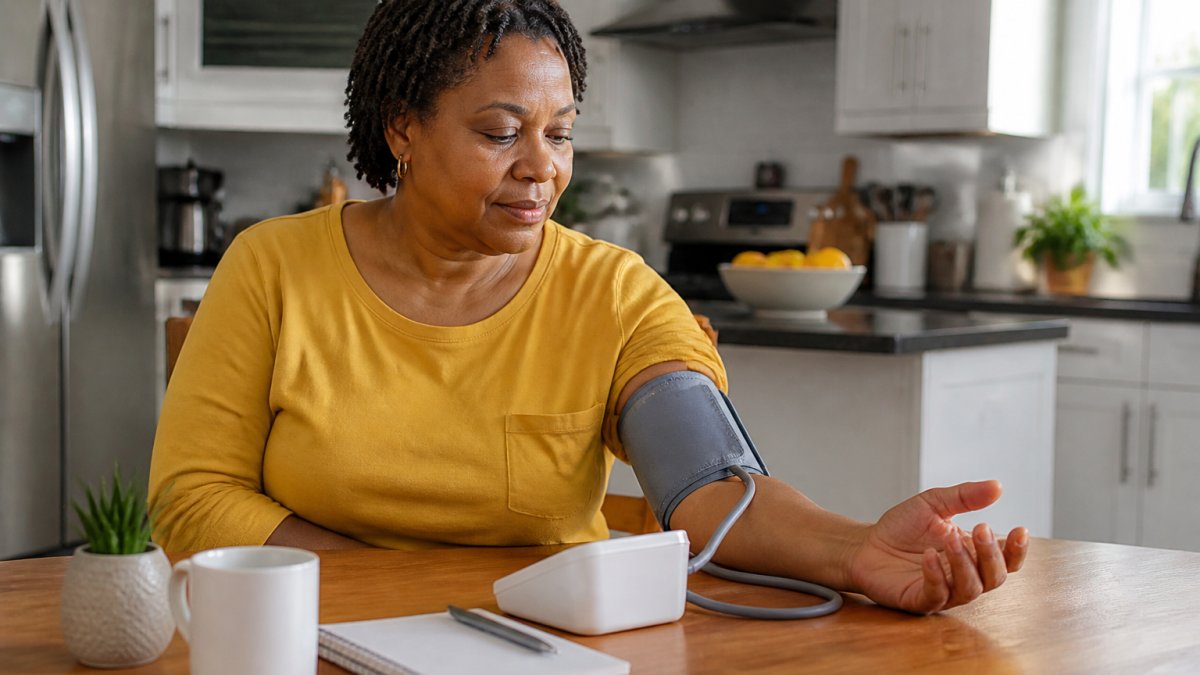
Most guides hand you a cuff and a pat on the back.
Choosing a Validated Monitor
- Buy an upper-arm cuff, not a wrist or finger model. Upper-arm devices are more reliable and easier to position correctly.
- Look for validation. Reputable monitors carry a statement that they have been validated to a recognized standard, and the Validate BP device listings maintains a searchable list of validated devices. Check the list before you buy.
- Match the cuff to your arm circumference. A cuff that is too small reads high; too large reads low. Measure your upper arm and choose the size range that fits.
Measuring Correctly
- Avoid caffeine, exercise, and smoking for 30 minutes before measuring.
- Empty your bladder first; a full bladder can nudge readings up.
- Sit quietly for five minutes with your back supported, feet flat on the floor, and legs uncrossed.
- Rest your arm on a table at heart level and place the cuff on bare skin, not over a sleeve.
- Take two readings, one minute apart, morning and evening.
- Log the date, time, and both numbers in a notebook or app.
Consistency matters more than perfection. Measure at roughly the same times each day, and treat the two-week trend as the signal rather than any single high or low reading.
Recording and Sharing Results
- Log the numbers, not just "high" or "low." Write down systolic over diastolic, the time, and anything unusual that day, a missed dose, a stressful morning, a salty meal.
- Average the readings. Most clinicians look at the average of several days rather than the highest number, so a simple weekly average is more useful than a pile of raw entries.
- Bring the log to every appointment, whether on paper, in an app, or as a photo on your phone. Ask your clinician what target range they want for you and whether your readings suggest a medication review.
A monitor is only as useful as the plan around it. Pair it with a consistent schedule, a simple log, and a clinician who reviews the trend with you, and home monitoring becomes one of the most practical tools in managing chronic hypertension.
Lifestyle Changes to Lower Blood Pressure: Weight, Alcohol, Stress, and Sleep
Lifestyle changes to lower blood pressure reach well beyond diet and exercise. Body weight, alcohol, stress, and sleep all feed into the same system, and improvements in any one of them tend to help the others.
- Weight management: Losing even modest amounts of excess body weight often lowers blood pressure, and keeping it off sustains the gain.
- Stress management: Chronic stress drives habits like overeating, poor sleep, and skipped exercise. Breathing exercises, regular physical activity, and time outdoors help.
- Sleep hygiene: Short or poor-quality sleep is linked to higher blood pressure. Keep a consistent sleep schedule and treat snoring or daytime fatigue as worth mentioning to a clinician.
Quitting Smoking and Limiting Alcohol
Smoking cessation and limiting alcohol are two of the most direct levers available. Tobacco use damages blood vessels and raises cardiovascular risk, and every smoke-free day moves vessel function in the right direction.
For alcohol, less is better. Many clinicians advise limiting drinks and having alcohol-free days each week. If you drink heavily, taper with medical guidance rather than stopping abruptly.
Medication Safety and Clinician Follow-Up
Medication safety starts with understanding what you take and why. Bring every bottle, including supplements, to appointments, and ask your clinician to explain each one's purpose and side effects.
At iCare Clinic & MedSpa, our primary care services include wellness visits, chronic disease management, and in-office labs, so blood pressure, medications, and related conditions get reviewed together rather than in isolation. Patients who want a local clinic that manages blood pressure and reviews medications can learn about primary care in Decatur, GA.
Building a Realistic Plan for Managing Chronic Hypertension
Managing chronic hypertension with lifestyle changes succeeds when the plan is small enough to keep. Pick two changes, not ten. Track them for a month, measure your blood pressure consistently, and review the results with a clinician who can adjust the plan.
A realistic starting plan looks like this:
| Change | First Step | Review Point |
|---|---|---|
| Diet | Add one vegetable serving per meal | 4 weeks |
| Sodium | Swap two packaged foods for low-sodium versions | 4 weeks |
| Exercise | Walk 15 minutes after dinner | 4 weeks |
| Monitoring | Log readings morning and evening | 2 weeks |
| Follow-up | Book a medication review | 4 weeks |
When you are ready to book, prepare for your visit so appointment, insurance, and payment details are handled before you arrive.
Frequently Asked Questions
What lifestyle changes help manage chronic hypertension?
The core changes are eating a DASH-style diet, reducing sodium, getting regular aerobic and strength exercise, losing excess weight, limiting alcohol, quitting smoking, managing stress, and improving sleep. Each one lowers blood pressure by a modest amount, and together they add up. For chronic hypertension, these habits work alongside medication rather than replacing it. A clinician can help you prioritize which changes will have the biggest effect for your readings and health history.
Can lifestyle changes lower blood pressure without medication?
Sometimes, yes, especially with mild elevation. Diet, exercise, weight loss, and sodium reduction can meaningfully lower readings, and some people with early hypertension reach goal numbers through lifestyle alone. But chronic hypertension usually needs medication too, and stopping prescribed drugs on your own is risky. Never stop or reduce blood pressure medication without talking to your clinician first, since readings can climb quickly and quietly.
How often should you check your blood pressure at home?
A common approach is two readings in the morning and two in the evening for seven days before a clinician visit, then less frequent checks once your numbers are stable. Sit quietly for five minutes first, keep your arm supported at heart level, and log each reading with the date and time. Bring your log and your monitor to appointments so your clinician can confirm the cuff fits and is accurate. Follow your clinician's specific schedule if they give you one.
How does exercise help with hypertension?
Regular aerobic activity like brisk walking, cycling, or swimming helps blood vessels relax and improves how the heart pumps, which lowers blood pressure over weeks to months. Strength training adds benefits and supports weight management. Aim for about 150 minutes of moderate activity per week plus two strength sessions, built up gradually. If your blood pressure is very high or you have other conditions, check with your clinician before starting a new program.
Should you stop taking blood pressure medication if your readings improve?
No. Improved readings usually mean the medication and your lifestyle changes are working together, not that the hypertension is gone. Stopping on your own can cause readings to rise again, sometimes sharply. If your log shows consistently low numbers, tell your clinician; they may adjust the dose under supervision. Any change to medication should be their decision, made with your readings, other conditions, and side effects in mind.
Can stress management help lower blood pressure?
Stress management supports blood pressure control, though it works best as part of a full plan. Chronic stress can push up readings through poor sleep, more alcohol, and less healthy eating. Relaxation techniques, breathing exercises, regular physical activity, and adequate sleep can help steady things. If stress or anxiety feels overwhelming, a clinician can help you find support, including mental health care, rather than leaving you to manage it alone.
Managing chronic hypertension takes patience and a plan that fits your actual life, not a perfect one you abandon in a week. At iCare Clinic & MedSpa, our team supports chronic disease management with personalized, evidence-based treatment plans, in-office labs, and unhurried visits led by a board-certified family nurse practitioner. Get started with iCare Clinic & MedSpa and build a blood pressure plan you can actually keep.